Agriculture

Agriculture, Greenhouses, and Soilless Cultivation Systems (Hydroponics, Aeroponics, Vertical Greenhouse)
The use of plasma-activated water (PAW) in modern greenhouse and soilless agriculture opens a new chapter in plant production - one based on precision, biological activation, and clean technology.
In greenhouses and hydroponic or aeroponic systems, where growth conditions are strictly controlled, water quality determines plant health, growth dynamics, and yield.
Plasma-activated water acts as a natural biostimulant and protective agent, with reactive oxygen and nitrogen species (RONS) exerting multidimensional effects on plants and the root environment.
Mechanism of Action in Greenhouse and Soilless Systems
Stimulation of metabolism and photosynthesis:
PAW enhances nutrient uptake and intensifies metabolic processes, resulting in faster growth and higher biomass.
Natural antiseptic effect:
Reactive molecules eliminate bacteria, fungi, and biofilm without negatively affecting plants.
Improved oxygenation:
PAW increases the solubility of oxygen and nitrogen in water, supports root respiration, and limits pathogen development.
Reduction of chemicals:
It allows for the reduction or elimination of pesticides, fungicides, and antibiotics in closed-loop systems.
Practical Benefits
Higher photosynthetic efficiency and faster plant growth
Increased resistance to environmental stress (heat, drought, salinity)
Cleaner, pathogen-free root environment
Shorter production cycles and more uniform yields
Reduced use of fertilizers and crop protection products
Full compliance with sustainable agriculture principles
Post-Harvest Applications
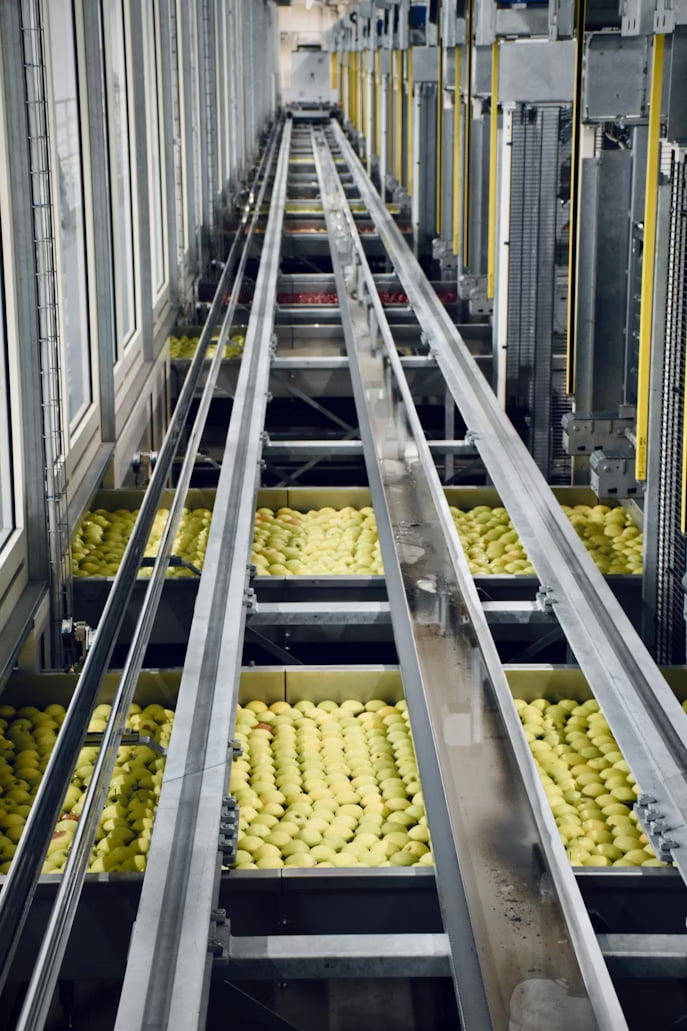
Plasma-activated water (PAW) is also used after harvest in the storage and transportation of fruits, vegetables, and flowers.
Through natural oxidation and microorganism deactivation processes, it extends product shelf life without chemical preservatives.
1. Reduction of spoilage-causing microorganisms
PAW deactivates bacteria, molds, and yeasts responsible for decay
Destroys bacterial biofilm on fruit and vegetable surfaces
Acts selectively — neutralizing pathogens without damaging tissues
Limits the growth of pathogens such as Botrytis cinerea and Penicillium expansum
Effect: Lower storage losses and longer shelf life
2. Delay of aging and oxidation processes
Reactive oxygen species (RONS) regulate oxidation processes and reduce browning
Stabilize cell membranes, reducing water and nutrient loss
Decrease oxidative stress in cells
Effect: Fruits and vegetables retain freshness, color, and firmness for longer
3. Reduction of weight loss and dehydration
Plasma-activated water improves tissue surface structure, reducing evaporation
Creates a thin antibacterial protective layer
Maintains osmotic balance within cells
Effect: Higher commercial weight and improved visual quality
4. Synergy with cooling and controlled atmosphere
In cold storage, it reduces bacterial load in air and on surfaces
In flower chambers, it keeps water clean and eliminates microorganisms blocking stem vessels
Effect: 2–3 times longer storage duration without quality loss
5. No chemical residues
Leaves no toxic residues
Does not affect product taste or aroma
Can be used in organic and ecological systems
This is clean technology - water enriched with natural reactive species that revert to H₂O and O₂ after the reaction.
Summary
Plasma-activated water (PAW) enables:
Shelf-life extension of fruits, vegetables, and flowers by 30–170%
Reduction of storage and transport losses
Preservation of natural appearance and flavor
Elimination of chemical preservatives
It is a technology of the future in food logistics and floristry - clean, safe, energy-efficient, and aligned with the principles of sustainable development.